
You are queries about to know how to retire early in India? In this article you will learn smart retirement planning in India, investment strategies, and discover how much money is needed to retire early in India based on your lifestyle and goals.
Table of Contents
Retiring early is no longer just a dream reserved for the ultra rich. Across India, more professionals in their 30s and 40s are quietly building freedom funds, choosing flexibility over fixed office hours, and redefining what success really means. Early retirement is not about escaping work, it is about gaining control over your time, your health, and your priorities.
Understanding how to retire early in India
Early retirement in India looks different from western countries, we often support parents, plan for children’s education and weddings, manage rising healthcare costs, and deal with inflation that slowly eats into savings.
This makes retirement planning in India deeply personal and slightly more complex.Many people assume retirement means stopping work completely. In reality, early retirement can mean financial independence where your investments generate enough income to cover your lifestyle. You may still work, but by choice, not by compulsion.
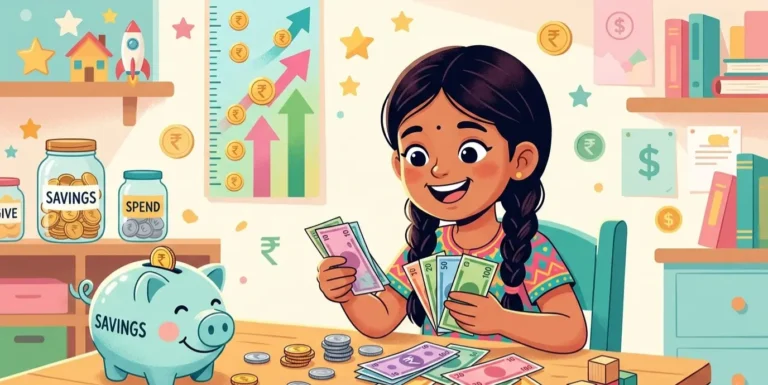
Best ways to teach kids about money:- Read More
How to Repay loan faster:- Read More
Personal loan for CIBIL score 550:-Read More
How much money is needed to retire Early in India?
This is the most common and most important question, how much money is needed to retire early in India?
The answer depends on three key factors your current lifestyle expenses, your retirement age, and your life expectancy. A simple way to estimate is to calculate your annual expenses and multiply them by 25 to 30 times, depending on how conservative you want to be.
For example, if your yearly expenses are Rs. 10 lakh, you may need Rs. 2.5 to Rs. 3 crore invested wisely to generate sustainable income. However, if you plan to retire at 40, your money must last 40–50 years.
In that case, your corpus may need to be even higher to beat inflation and healthcare costs.In India, a modest urban lifestyle today may require Rs. 50,000 to Rs. 1 lakh per month, with inflation at 6–7%, that figure could double in about 10–12 years. This is why early retirement planning in India must factor in long term inflation, not just current expenses.
The emotional side of early retirement
Numbers matter, but emotions matter more, many people chase early retirement because they feel burnt out, stressed, or trapped in a cycle of earning and spending.But true financial freedom is not built overnight. It is built slowly through consistent saving, disciplined investing, and resisting lifestyle inflation.
There will be moments when friends upgrade cars, buy bigger homes, or take luxury vacations, choosing long term freedom over short-term comfort requires emotional strength. Early retirement is as much about mindset as it is about money.
building your early retirement corpus
The foundation of retirement planning in India is aggressive saving, if you aim to retire by 40 or 45, you may need to save and invest 40–60% of your income. This may sound extreme, but it dramatically reduces the years you need to work.
Equity investments play a major role because fixed deposits alone cannot beat inflation over decades, many early retirees in India rely on diversified mutual funds, index funds, direct equity, provident fund contributions, and real estate income streams.
The goal is to create multiple sources of passive income.SIP investing works well for salaried individuals because it builds wealth steadily. Increasing your SIP every year as your income rises can significantly accelerate your corpus growth.
controlling lifestyle inflation
One of the biggest obstacles to early retirement in India is lifestyle inflation, as salary increases, expenses often rise at the same pace. Bigger homes, EMIs, international vacations, and luxury spending quietly delay financial independence.
Instead of increasing expenses with every promotion, increasing investments can shorten your retirement timeline by years, living slightly below your means today can give you decades of freedom tomorrow.
What is emergency fund and why it is important:-Read More
Planning for healthcare and emergencies
Healthcare costs in India are rising rapidly. A single medical emergency can disrupt years of savings, comprehensive health insurance for yourself and your family is non negotiable, an emergency fund covering at least 6–12 months of expenses is equally important, early retirement does not mean financial vulnerability while it means being prepared for uncertainties without panic.
Managing debt before retirement
Retiring early with heavy debt is risky, high interest loans, especially personal loans and credit card dues, should be cleared first, home loans may be manageable if rental income or passive income comfortably covers EMIs, but entering early retirement debt free provides psychological and financial peace.
Creating income after retirement
Many early retirees in India do not completely stop working, some consult, freelance, teach, start small businesses, or invest in rental properties. Even a modest part time income can reduce pressure on your retirement corpus and help it grow longer. Financial independence gives you the flexibility to choose meaningful work rather than chasing salary.
Is early retirement in India realistic?
Yes, but it requires intentional living, it is not about earning crores overnight, it is about consistent savings, disciplined investing, and avoiding financial mistakes. Starting early makes an enormous difference because compounding needs time.
A person who starts investing at 25 has a significant advantage over someone who starts at 35, even if the latter invests more monthly, time in the market often matters more than timing the market.
Conclusion in some word
Retirement planning in India is evolving, the traditional idea of working until 60 is no longer the only path, early retirement is possible if you plan smartly, invest wisely, and control expenses. So, how much money is needed to retire early in India?
The real answer is this: enough to cover your annual expenses for the next 40 to 50 years while protecting against inflation and emergencies. For some, that might be Rs. 2 crore. For others, it could be Rs. 5 crore or more.
The number is personal but the principle remains the same.Early retirement is not just about money, it is about freedom, freedom to spend time with family, freedom to pursue passions. Freedom to live life on your own terms.If you start today with clarity and commitment, that freedom may arrive sooner than you think.
Q1. How much money is needed to retire early in India?
Ans. The amount depends on your lifestyle, age of retirement, and expected expenses. Generally, you need 25–30 times your annual expenses. For example, if you spend Rs. 10 lakh per year, you may need Ra. 2.5–3 crore to retire early comfortably in India.
Q2. What is the ideal age to retire early in India?
Ans. Early retirement in India usually means retiring between 40 and 50 years of age. However, the ideal age depends on your financial readiness, health, and personal goals.
Q3. Why is retirement planning in India important?
Ans. Retirement planning in India is crucial due to rising inflation, increasing healthcare costs, and longer life expectancy. Without proper planning, your savings may not last through retirement.
Q4. Can I retire early with Rs. 2 crore in India?
Ans. It depends on your lifestyle and city of residence. In smaller cities with lower expenses, Rs. 2 crore may be sufficient. In metro cities with higher living costs, you may need a larger corpus.
Q5. What investment options help in early retirement planning in India?
Ans. Common options include equity mutual funds through SIPs, index funds, provident funds, NPS, real estate, and diversified portfolios. Equity investments are important to beat inflation over the long term.
Q6. Is early retirement realistic for salaried employees in India?
Ans. Yes, it is possible with disciplined savings, high investment rates (40–60% of income), controlled lifestyle inflation, and long term financial planning.